
Loading
 Protecting consumers!

 18006669
HOW TO SHOP FOR TET 2026 WITHOUT FINANCIAL PRESSURE
Lunar New Year has always been the most significant moment of the year for Vietnamese people. It is a time for family reunions, a symbolic starting point for a new cycle, and a season when everyone hopes to offer the very best to themselves and their loved ones. Yet behind the festive atmosphere, Tết is also the period that places the greatest financial pressure on most households.
According to various consumer behavior studies, spending during the Lunar New Year often rises sharply compared to other months, frequently reaching 1.5 to 2 times regular monthly expenses. These additional costs extend far beyond food and gifts, encompassing travel, home refurbishment, personal shopping, and a wide range of social activities. Without careful planning, Tết can easily become a financial “breaking point,” with stress and obligations lingering well into the first months of the new year.
In the context of Lunar New Year 2026, as consumers grow increasingly cautious about personal finance and flexible shopping and payment options continue to expand, the key question is no longer whether one should spend for Tết, but how to enjoy a fulfilling celebration without carrying financial burdens into the year ahead.
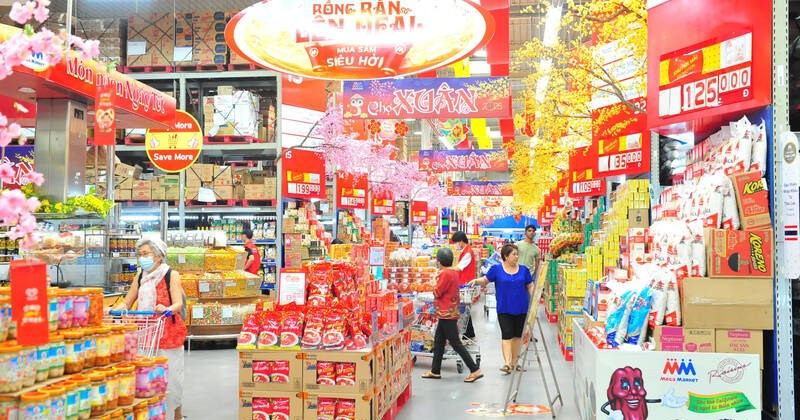
1. Why Does Tết Spending So Easily Go Out of Control?
One of the primary reasons Tết spending becomes difficult to manage lies in psychology. Lunar New Year is deeply associated with expectations of abundance, prosperity, and a fortunate beginning, encouraging many people to spend more than usual without fully assessing their financial capacity. The mindset that “it only happens once a year” or that “Tết should be different from ordinary days” often leads to emotionally driven purchasing decisions.
In addition, Tết-related expenses rarely come in the form of one large payment. Instead, they are spread across numerous smaller costs. A family gathering, a gift, a short trip—each expense seems reasonable on its own, but when combined, they can easily exceed a full month’s income and create pressure that extends into the first quarter of the year.
Another commonly overlooked factor is the lack of early preparation. When most purchasing decisions are compressed into the days leading up to Tết, consumers tend to buy hastily, compare prices less, and lose control over cash flow. This sense of urgency significantly increases the risk of overspending compared to other times of the year.
2. Lunar New Year 2026 and Shifting Consumer Shopping Behavior
Compared to previous years, Lunar New Year 2026 takes place amid notable changes in consumer behavior. Shoppers are increasingly prioritizing practical value over symbolic or display-driven spending. Gifts are becoming more functional, gatherings more streamlined, and purchasing decisions more carefully considered.
Many households are also moving away from concentrating all spending in the final days before Tết. Instead, they begin preparations earlier, spreading purchases across the final months of the year. This approach allows consumers to take advantage of promotions, reduce short-term financial pressure, and avoid the stress of last-minute shopping. Beyond cost savings, it fosters a stronger sense of control and preparedness.
At the same time, online shopping and digital payment methods continue to grow in popularity, offering consumers a broader range of products, prices, and payment options. However, this convenience also raises the bar for financial discipline, particularly during high-spending periods such as Tết.
3. Setting a Tết Budget: The Foundation of a Stress-Free Holiday
A financially stress-free Tết always begins with a clear and realistic budget. A Tết budget is not intended to limit enjoyment, but to ensure that celebrations do not come at the expense of post-holiday financial strain. In practice, many financial advisors suggest that total Tết spending should remain within one to one-and-a-half months of household income, depending on individual circumstances.
Equally important is not only defining the total budget, but also allocating it effectively. When spending is clearly distributed across categories such as food, gifts, travel, personal purchases, and contingency funds, financial control becomes significantly easier. Setting aside a buffer for unexpected expenses is particularly crucial, as it helps avoid last-minute borrowing or financial scrambling after the holiday.
A well-defined budget also encourages more rational purchasing decisions. Knowing how much room remains for spending allows consumers to evaluate each purchase more carefully, rather than acting on impulse.
4. Smart Tết Shopping: Balancing Needs and Financial Capacity
Smart Tết shopping does not mean excessive cutbacks, but making thoughtful choices about what truly matters. This begins with understanding the genuine needs of one’s household, rather than following trends or social pressure. With a clear shopping plan, consumers can avoid duplicate purchases, unnecessary spending, and budget overruns.
Timing also plays a critical role. Not all items need to be purchased close to Tết. Many products, such as dry foods, household goods, or gifts, can be bought earlier at more favorable prices and with greater selection. The assumption that prices always drop closer to Tết often proves incorrect, as demand-driven price increases are common during peak periods. Promotions and discounts only deliver real value when they align with pre-identified needs. A lower price does not equal savings if the item was never part of the original plan.
5. Buy Now, Pay Later (BNPL): Financial Tool or Hidden Risk?
In recent years, Buy Now, Pay Later (BNPL) services have become increasingly popular, particularly during peak shopping seasons such as Tết. Fundamentally, BNPL allows consumers to spread payments over time instead of paying the full amount upfront. When used responsibly, it can be an effective tool for managing cash flow.
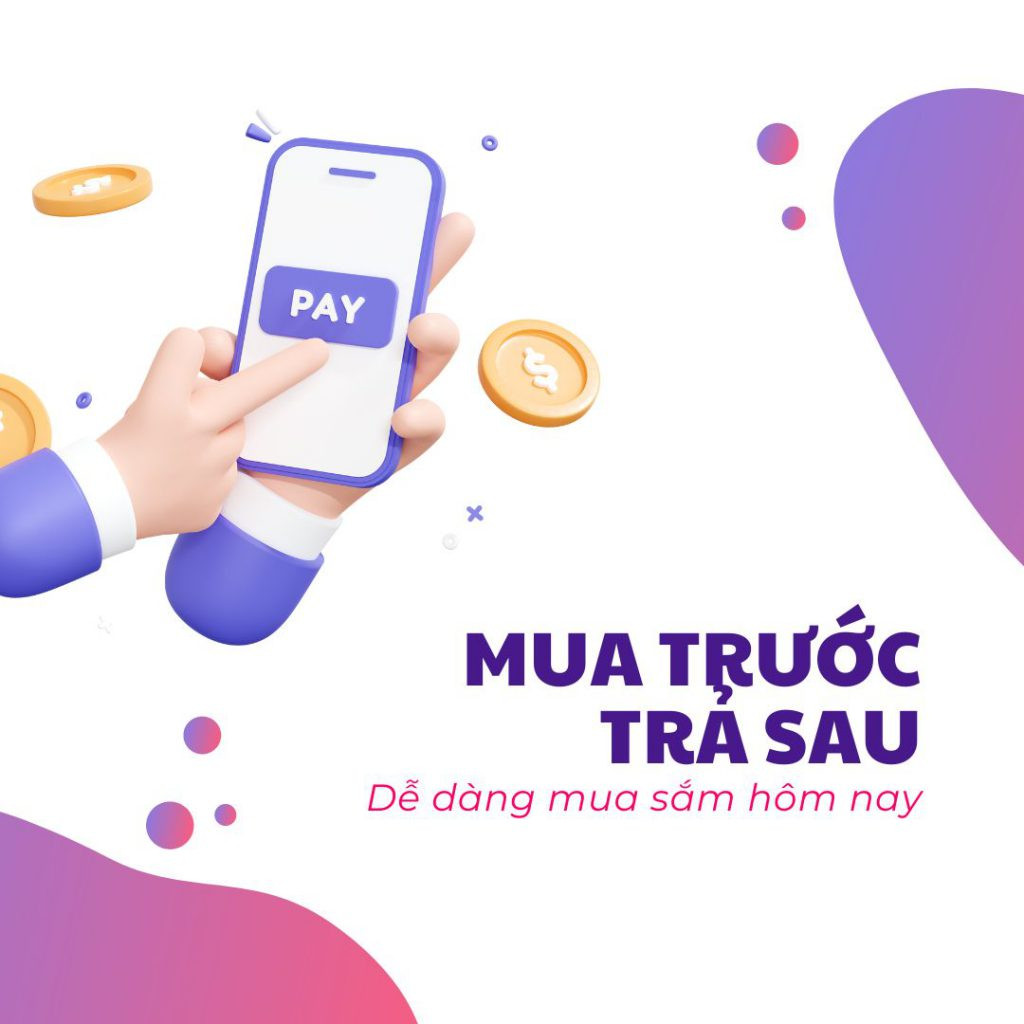
BNPL is most suitable for essential purchases of moderate value with a clear repayment plan. When post-Tết repayment obligations remain comfortably within monthly income, this option can ease immediate financial pressure without creating long-term strain.
Conversely, BNPL can become risky when used for impulsive purchases or spending beyond future repayment capacity. Multiple overlapping installment plans may quickly lead to loss of control and heightened financial stress after the holiday. For this reason, BNPL should be viewed as a cash flow management tool, not as “extra money” for unrestricted spending.
6. After Tết: How to Restore Financial Balance Quickly
The post-Tết period is a critical time to review and assess all holiday-related expenses. This process helps identify inefficient spending patterns and provides valuable insights for future celebrations. It also forms the basis for adjusting financial plans for the rest of the year. The first quarter should be treated as a stabilization phase, with priority given to settling financial obligations, rebuilding emergency funds, and limiting new major expenses. Bringing finances back into balance early significantly reduces stress and creates a solid foundation for long-term goals.
7. A Fulfilling Tết Begins with Financial Awareness
Ultimately, a fulfilling Tết is not measured by how much money is spent, but by the sense of security and control it provides. When finances are well managed, the Lunar New Year becomes a genuine fresh start, rather than a burden carried into the months that follow. Smart Lunar New Year 2026 shopping is about striking a balance between present enjoyment and long-term sustainability. It means placing every spending decision within the broader context of personal financial health, allowing Tết to pass with emotional fulfillment, without leaving financial pressure behind.
Sources:
World Bank - Consumer Spending & Financial Resilience: https://www.worldbank.org
OECD - Household Finance & Financial Consumer Protection: https://www.oecd.org/finance
McKinsey - Global Consumer & Retail Insights: https://www.mckinsey.com
BIS (Bank for International Settlements) - Digital Payments & Consumer Credit: https://www.bis.org
Statista - BNPL Market Size & Consumer Trends: https://www.statista.com
Vietnam Economic Times / VietnamBiz - Xu hướng tiêu dùng & fintech tại Việt Nam
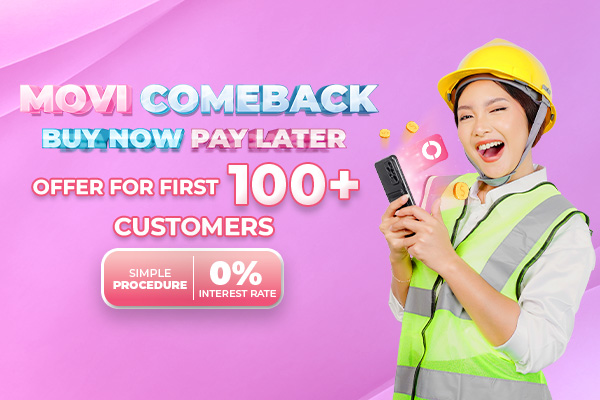
MOVI COMEBACK - BUY NOW PAY LATER AT CHANG SHIN &...
29/09/2025
MOVI COMEBACK - BUY NOW PAY LATER AT CHANG SHIN & POU CHEN FACTORY IN SEPTEMBER
See more
Why Do You Buy Faster When You Don’t Have to Pay I...
06/05/2026
Buy Now, Pay Later (BNPL) reshapes the brain’s decision-making process.
See more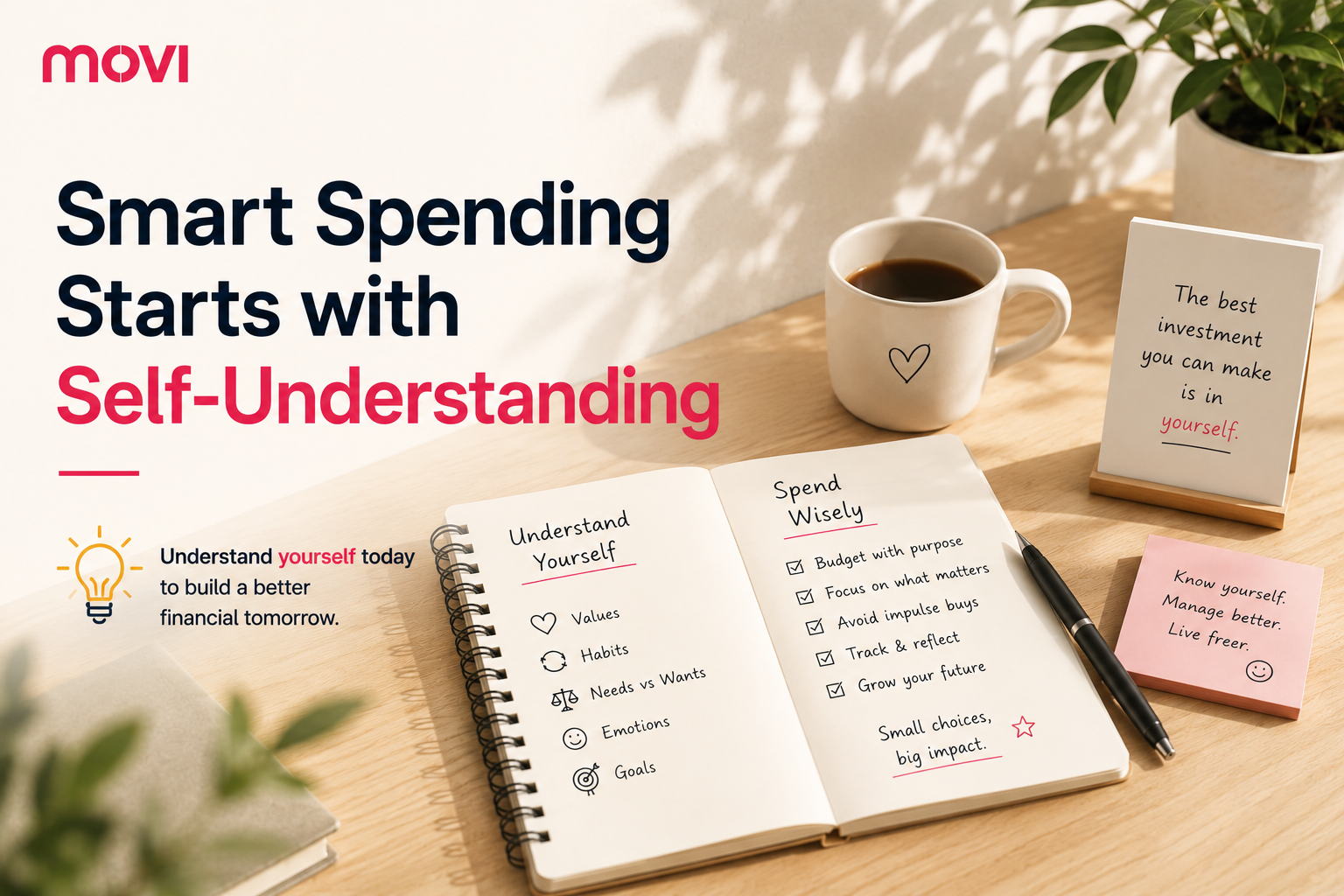
Finance by Payday Rhythm: Using BNPL to Keep Month...
27/05/2026
The value of BNPL is not that it makes products cheaper, but that it spreads large costs i...
See more
FUTURE EXPO COMMUNITY EVENT 07/31 - 08/01/2024
01/08/2024
On July 31, MOVI and companies in the SVC Group ecosystem participated in displaying and i...
See more
PHOTO CONTEST RESULTS FOR WELCOMING VIETNAMESE WOM...
30/12/2021
PHOTO CONTEST RESULTS FOR WELCOMING VIETNAMESE WOMEN'S DAY
See more
MOVI HELPS YOU TAKE THE INITIATIVE TO TRAVEL - FLY...
11/05/2022
MOVI HELPS YOU TAKE THE INITIATIVE TO TRAVEL - FLY WITHOUT HESITATION
See more
Viet Phu Payment Services Support Corporation
This website is established for the purpose of introducing MOVI Benefits Program deployed by Viet Phu and it's partners including but not limited to introduce the Partner, the goods, services sold in MOVI Benefits Program.


