
Loading
 Protecting consumers!

 18006669
Smart Spending Starts with Self-Understanding
Most employees receive income on a fixed cycle, once or twice a month. Expenses, however, occur irregularly: some hit early, others mid-month, and unexpected costs often show up in week three or four. That’s why the 2026 personal finance edge isn’t only saving, it’s cash-flow timing built around payday rhythm.
1. Why Do Many People Feel “Fine Early Month, Tight Late Month”?
This pattern is common: comfortable in week one, manageable in week two, stressful by the end of the month. It’s often not an income problem, it’s a rhythm mismatch.
- The “post-payday spending surge” effect
Right after payday, people feel secure and tend to spend more catching up on postponed needs, rewarding themselves, or making quick purchases. Without weekly limits, the budget accelerates too early.
- Monthly budgeting without weekly allocation creates instability
Many people plan monthly totals but spend emotionally week by week. The result: overspending early, compensation later, and rising pressure toward month-end.
- Week 3–4 emergencies become the common breaking point
Repairs, health costs, family events, or urgent work needs often appear late in the month, forcing emergency fund withdrawals or delayed payments.
2. What BNPL Solves in Payday Rhythm Planning
BNPL (Buy Now, Pay Later) helps stabilize rhythm by reducing one-time payment shocks and restructuring costs over time.
- Spreading large costs into smaller installments
Instead of paying everything upfront, BNPL divides the cost into manageable payments, protecting monthly stability.
- Preserving emergency buffers
BNPL can prevent a large one-time withdrawal from savings, keeping emergency funds available for real surprises.
- Reducing end-of-month payment shocks
Many tight months start with one large payment early on. BNPL converts that shock into a structured schedule.
3. A Practical BNPL Framework to Keep Budgets Stable
BNPL works best when used as a planning tool not as a “buy faster” button.
- Rule 1 – Track your total monthly installment obligations
Before adding a new BNPL transaction, calculate all existing installment commitments to know your true monthly load.
- Rule 2 – Keep obligations under a safe threshold
A common guideline is 30-40% of disposable income (income remaining after essential expenses). Beyond this, budgets become fragile.
- Rule 3 – Use BNPL for planned essentials, not impulses
BNPL is ideal for productivity tools, study devices, and necessary household items—less so for unplanned wants.
- Rule 4 – Protect fixed bills and emergency funds first
Only use BNPL if fixed obligations and emergency buffers remain secure. If these are compromised, budget stability collapses quickly.
4. MOVI BNPL - Structured Flexibility for Working Consumers
In Vietnam’s Buy Now, Pay Later ecosystem, MOVI BNPL aligns well with payday rhythm planning through transparent structure.
- Clear schedules make weekly allocation easier
- When payment dates are clear, you can distribute budgets weekly and avoid end-of-month clustering.
- Reasonable installment structure prevents “budget breaks”
- Breaking big costs into smaller commitments helps keep cash flow smooth.
- Responsible consumption support for worker ecosystems
MOVI BNPL should be used to reorganize cash flow, not expand consumption. Used properly, it becomes “soft discipline”: flexible, yet controlled.
Conclusion
If finance is rhythm, BNPL is timing control. Used well, Buy Now, Pay Later stabilizes monthly budgets; used poorly, it creates new pressure. With structured transparency and trackable schedules, MOVI BNPL supports consumers who want flexibility without losing discipline, so every month stays on rhythm, not strong early and tight late.
Source: Compilation


TOP 10 FINTECH PREDICTIONS FOR 2026
08/12/2025
The fintech sector enters 2026 facing a period of significant structural change
See more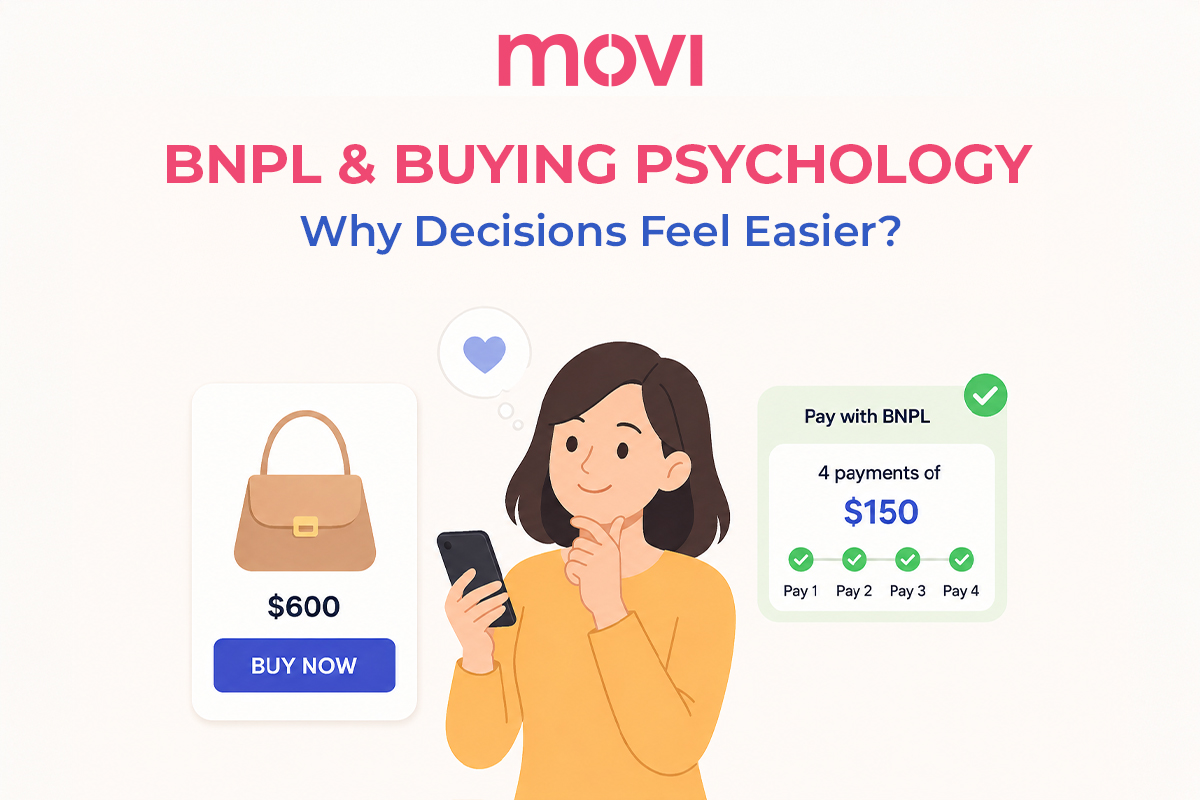
BNPL & Buying Psychology: Why Decisions Feel Easie...
28/04/2026
BNPL (Buy Now Pay Later) doesn’t just change payments, it changes consumer psychology. Lea...
See more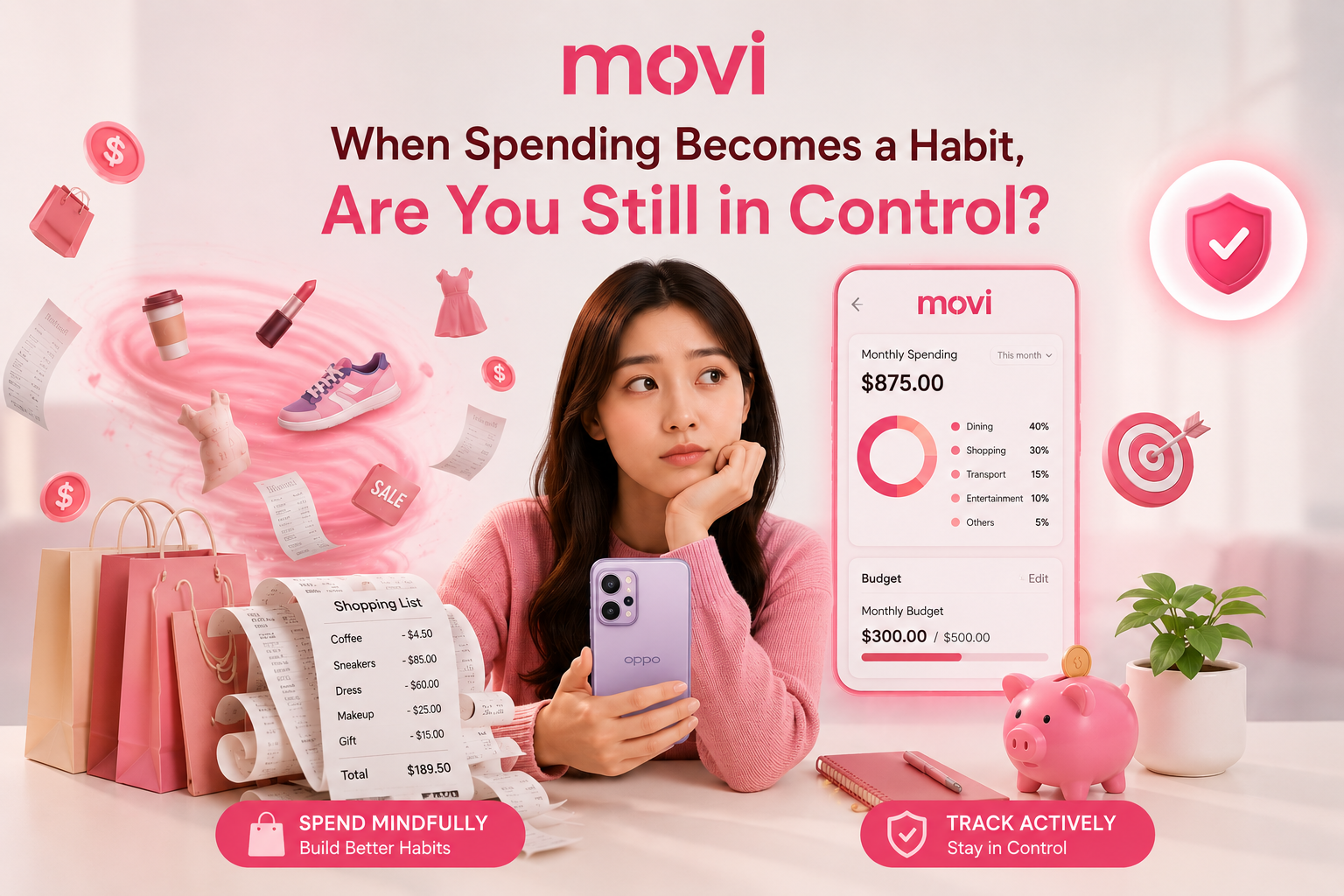
When Spending Becomes a Habit, Are You Still in Co...
15/05/2026
In the era of “one-tap” shopping, recognizing unconscious spending is an essential skill f...
See more
BUY NOW, PAY LATER: A SMART CONSUMPTION TREND TRAN...
16/03/2026
In recent years, Buy Now, Pay Later (BNPL) has emerged as one of the fastest-growing consu...
See more

Viet Phu Payment Services Support Corporation
This website is established for the purpose of introducing MOVI Benefits Program deployed by Viet Phu and it's partners including but not limited to introduce the Partner, the goods, services sold in MOVI Benefits Program.


