
Loading
 Protecting consumers!

 18006669
YOUNG ADULTS SHOULD LEARN CASH FLOW MANAGEMENT BEFORE INVESTING
In today’s financial landscape, young people are increasingly attracted to investment opportunities from stocks and ETFs to cryptocurrencies. However, a common oversight is the lack of foundational cash flow management before beginning to invest. Mastery of cash flow, understanding income, expenses, and financial reserves is essential for long-term financial stability and investment success.
1. Current Cash Flow Challenges Among Young Adults
Cash flow management refers to tracking income, controlling spending, and establishing financial buffers for emergencies. According to a Sun Life Asia 2025 study, only 48% of Gen Z feel confident managing their personal finances, and 28% lack long-term savings plans. This reveals a significant gap in financial readiness among young adults facing complex financial choices.
Similarly, research from YouGov (2025) shows that 32% of Gen Z prioritize building an emergency savings fund as a top short-term financial goal, but this still falls short of ideal levels needed to cope with unexpected expenses.
In the United States, data shows many young adults are financially vulnerable. The Bankrate Emergency Savings Survey (2025) found that a significant portion of Gen Z and Millennials had tapped their emergency savings in the past year to cover basic needs, highlighting limited financial buffers.
2. Why Cash Flow Should Precede Investing
Investing without a solid cash flow foundation exposes young adults to costly risks. Investments are long-term commitments, while emergencies can arise overnight. Without a reserve fund, individuals may feel forced to liquidate investments in down markets, locking in losses.
The Federal Reserve’s 2025 Economic Well-Being Report indicates that only about 55% of adults had enough savings to cover three months of expenses, underscoring the importance of financial buffers before investing.
3. Benefits of Mastering Cash Flow First
3.1. Protection Against Financial Emergencies
An emergency fund allows young adults to withstand unexpected expenses without liquidating investments prematurely.
3.2. Better Long-Term Investment Decisions
Stable cash flow fosters greater discipline and helps investors stay focused on long-term strategies rather than reacting to short-term market fluctuations.
3.3. Reduced Financial Stress
Managing cash flow effectively can ease financial anxiety, leading to improved mental well-being and decision-making.
Practical Steps to Improve Cash Flow
Young adults can strengthen their financial foundation by:
• Tracking monthly expenses to understand spending habits.
• Building an emergency fund aimed at covering 3-6 months of expenses.
• Managing debt wisely, prioritizing high-interest liabilities before investing.
• Allocating income strategically to balance essentials, savings, and future investments.
Adopting these practices creates a robust financial base that supports both resilience and investment readiness.
4. Conclusion
Investing is a powerful way to build wealth, but starting without adequate cash flow management can increase financial vulnerability. By prioritizing budgeting, emergency savings, and responsible debt management, young adults can develop a resilient financial foundation. Only then does investing become a strategic tool capable of contributing to long-term financial independence.
Source: Compilation


FINTECH CONNECT 2025: VIETNAM FAST-TRACKS OPEN BAN...
28/11/2025
The Fintech Connect 2025 event brought together regulators, banks, fintech companies, and...
See more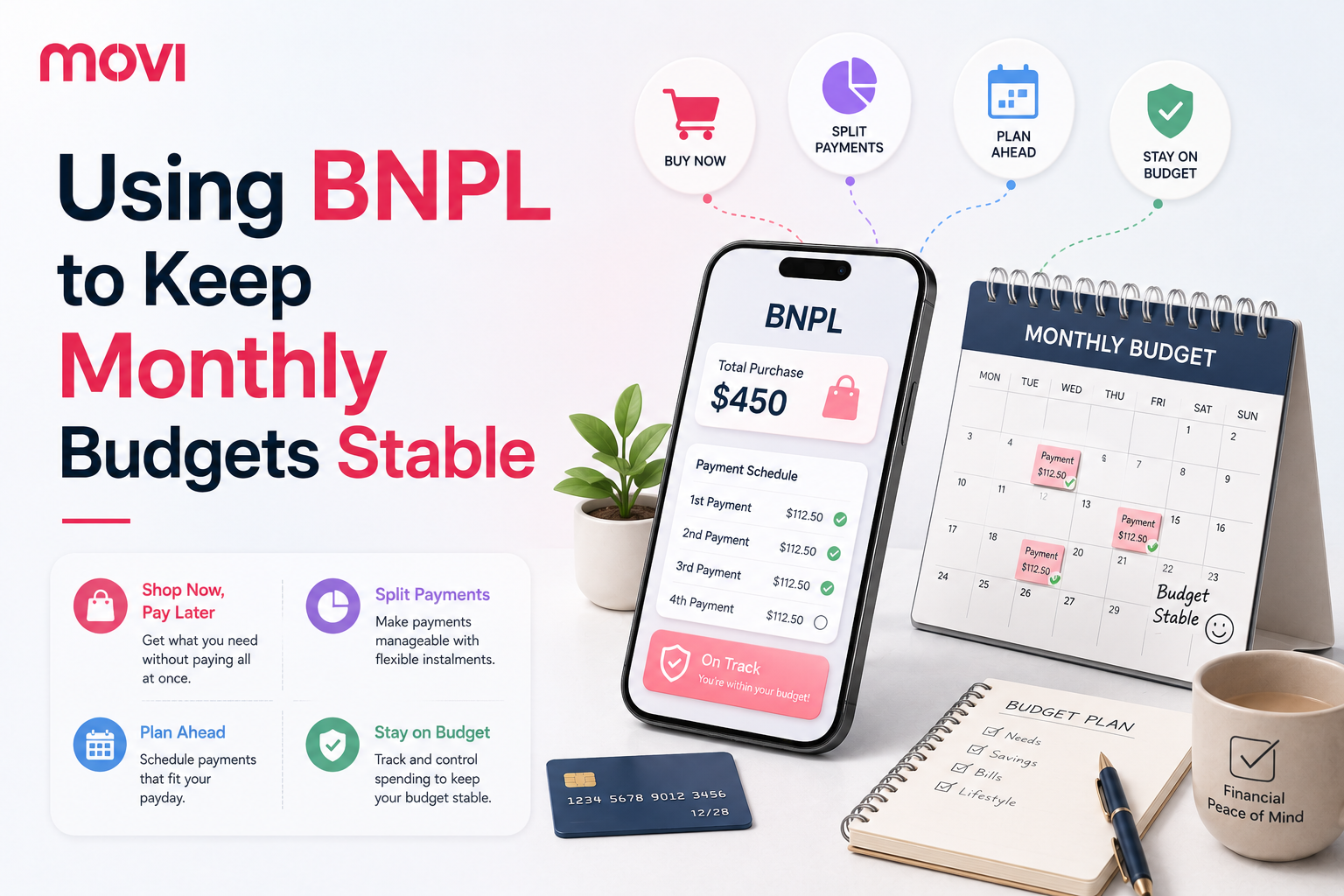
Smart Spending Starts with Self-Understanding
28/05/2026
That’s why the 2026 personal finance edge isn’t only saving, it’s cash-flow timing built a...
See more
PHOTO CONTEST RESULTS FOR WELCOMING VIETNAMESE WOM...
30/12/2021
PHOTO CONTEST RESULTS FOR WELCOMING VIETNAMESE WOMEN'S DAY
See more
SHOP WITHOUT PAYING UPFRONT, FINANCE MADE SMATER
30/03/2026
The emergence of Buy Now, Pay Later solutions has introduced a new approach: consumption w...
See more
SMART SPENDING ISN'T JUST ABOUT HOT DEAL - IT'S AB...
30/03/2026
One financial solution that has gained significant attention is Buy Now, Pay Later (BNPL),...
See more
Viet Phu Payment Services Support Corporation
This website is established for the purpose of introducing MOVI Benefits Program deployed by Viet Phu and it's partners including but not limited to introduce the Partner, the goods, services sold in MOVI Benefits Program.


