
Loading
 Protecting consumers!

 18006669
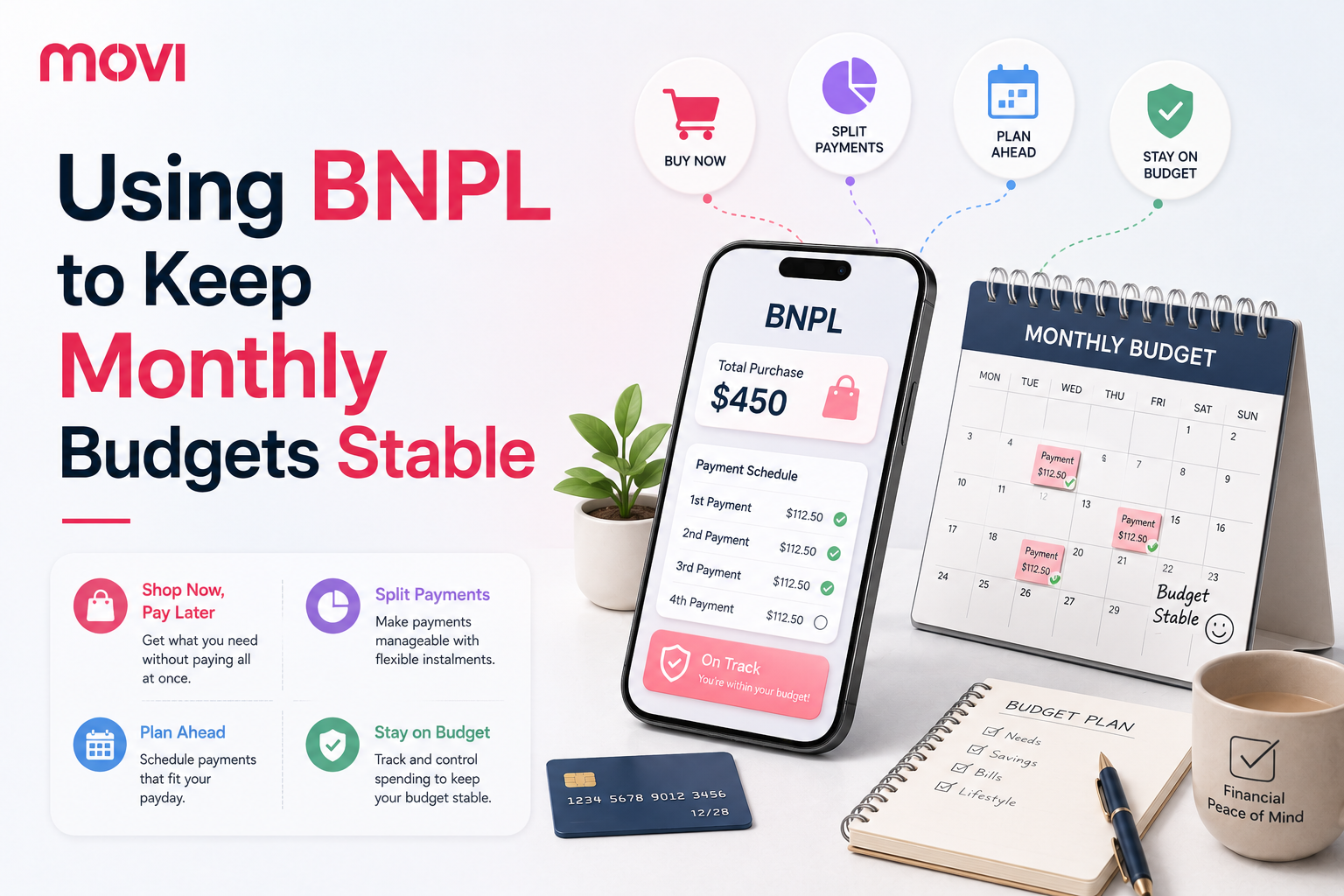
Finance by Payday Rhythm: Using BNPL to Keep Monthly Budgets Stable
Many people begin their personal finance journey with popular tactics: budgeting apps, the 50/30/20 rule, or savings challenges. These tools are not wrong. Yet one truth is often overlooked: smart spending doesn’t start with numbers, it starts with self-understanding. Money follows psychology. And without understanding why you spend, most tools remain surface-level solutions.
In real life, many people can build a budget and still “break it” at predictable moments. Not because they lack knowledge, but because they haven’t identified their own financial self—spending patterns shaped by stress, habits, social environments, and the desire to feel secure or accepted.
1. Three Common “Financial Selves”
A useful starting point is recognizing which pattern you most often fall into.
- First is the Self-Rewarder. This person spends to recover emotionally, after stressful workdays, pressure, or fatigue. Their purchases often come less from necessity and more from the need to feel better, even briefly.
- Second is the Image Optimizer. This person spends to “match the room”-to fit social context, workplace expectations, or the identity they want to maintain. It’s not always about showing off; sometimes it’s simply about not feeling left behind.
- Third is the Avoider. This person delays reality. They avoid bank statements, postpone checking balances, and feel anxious about facing the truth. They don’t overspend because they want to-they overspend because they lack a system, and the lack of a system makes them avoid looking.
None of these patterns is “bad.” The risk comes from **not recognizing your pattern**. An unrecognized financial self operates quietly and that’s when control fades.
2. Self-Awareness Finance: Four Questions That Reveal Your Pattern
Self-awareness doesn’t need complexity. Four honest questions can create a powerful behavioral map.
- When do you spend the most: when you’re tired, bored, free, at the end of the day, or right after payday?
- What kind of spending do you regret most food, shopping, convenience add-ons, subscriptions, or small repeated purchases?
- Do you buy for security (“to feel safe”) or do you buy to escape pressure (“to feel relief”)?
- When money feels tight, what do you cut first, impulse spending or essential spending?
Answering these questions honestly gives you a clear behavioral blueprint. From there, you stop managing money “in general” and start managing money according to your real psychology.
3. From Awareness to Behavioral Design
Smart spending isn’t about being strong all the time. It’s about designing a system so you don’t rely on willpower every day.
- If you’re a Self-Rewarder, don’t try to eliminate spending entirely. Instead, create a fixed “reward budget.” When it’s used up, you stop without guilt: because the reward was planned.
- If you’re an Image Optimizer, set goal-based standards. Shift from buying to match others to buying to match your goals: career growth, learning, productivity, and real quality of life.
- If you’re an Avoider, start small: a five-minute weekly statement review. No deep analysis needed. Simply build comfort with looking. You can’t control what you refuse to see.
4. BNPL in Self-Awareness Finance: Tool or Excuse?
Once self-awareness improves, you evaluate financial tools with a better question: is this helping me build structure or making it easier to slide? BNPL (Buy Now, Pay Later) works when used for goal-driven purchases with realistic schedules. It becomes an excuse when used to accelerate emotional decisions, when you’re not truly buying from need, but from a heightened emotional state. Awareness helps you tell the difference: when BNPL supports structure, and when it becomes a shortcut.
5. MOVI BNPL: Structured Flexibility That Fits Conscious Spending
As flexible payments become more common, MOVI Buy Now, Pay Later (MOVI BNPL) is most valuable when you want payment structure aligned with your income rhythm, without breaking monthly stability. The key is not “what you can buy,” but what you can clearly see: total obligation, repayment schedule, and fit with your real cash flow. Used well, BNPL doesn’t weaken control; it creates soft discipline, flexible, but not chaotic.
Conclusion
Smart spending starts with self-understanding: knowing whether you spend from need or psychology, recognizing when you are most vulnerable, and identifying what triggers regret. When self-awareness is strong, you can use any tool, including BNPL / MOVI BNPL - strategically, not emotionally.
Source: Compilation
Smart Spending Starts with Self-Understanding
28/05/2026
That’s why the 2026 personal finance edge isn’t only saving, it’s cash-flow timing built a...
See more
DECODING CONSUMER BEHAVIOR OF GEN Z 2026
12/12/2025
Generation Z is rapidly becoming the core force shaping consumer markets in 2025-2026.
See more
TOP 10 FINTECH PREDICTIONS FOR 2026
08/12/2025
The fintech sector enters 2026 facing a period of significant structural change
See more
IMPLEMENTING THE MOVI – HDI HEALTH CARE AND ACCIDE...
08/04/2024
On April 4, 2024, the MOVI Benefits Program launched the Health Care and Accident Insuranc...
See more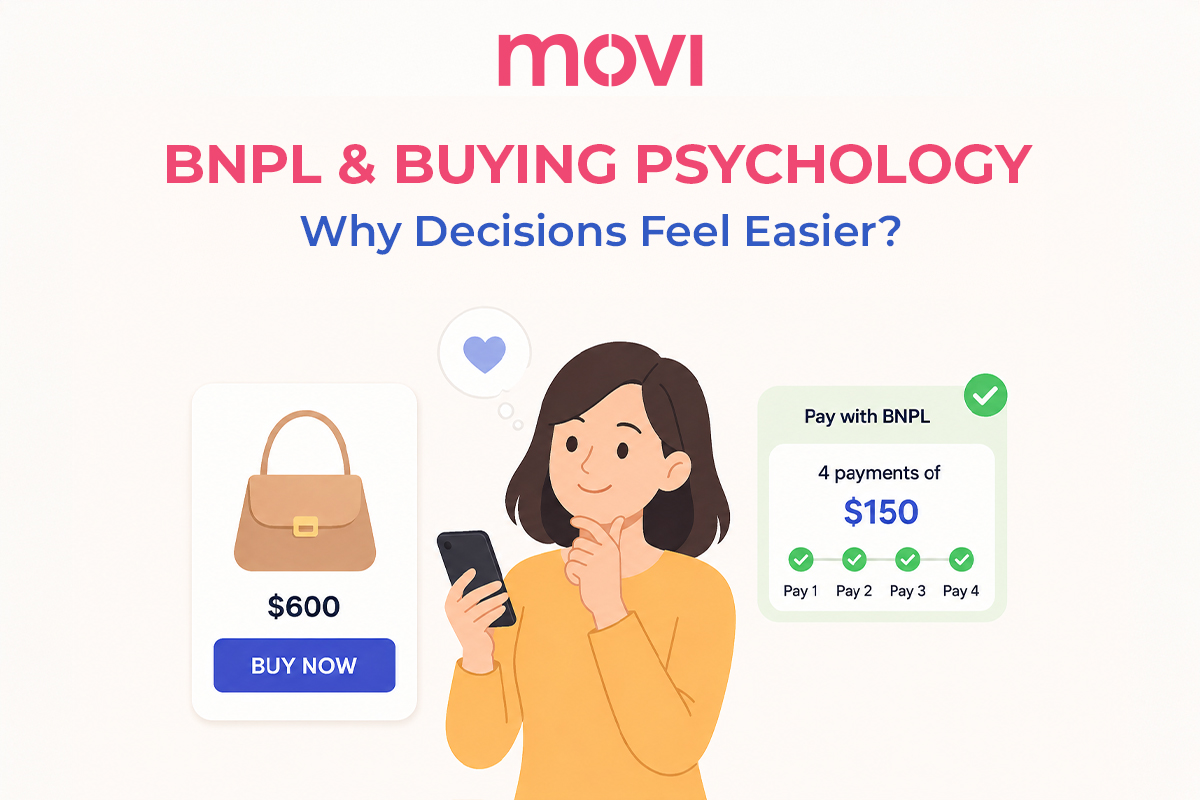
BNPL & Buying Psychology: Why Decisions Feel Easie...
28/04/2026
BNPL (Buy Now Pay Later) doesn’t just change payments, it changes consumer psychology. Lea...
See more

Viet Phu Payment Services Support Corporation
This website is established for the purpose of introducing MOVI Benefits Program deployed by Viet Phu and it's partners including but not limited to introduce the Partner, the goods, services sold in MOVI Benefits Program.


